“(…) we therefore commit this body to the ground, earth to earth, ashes to ashes, dust to dust;”
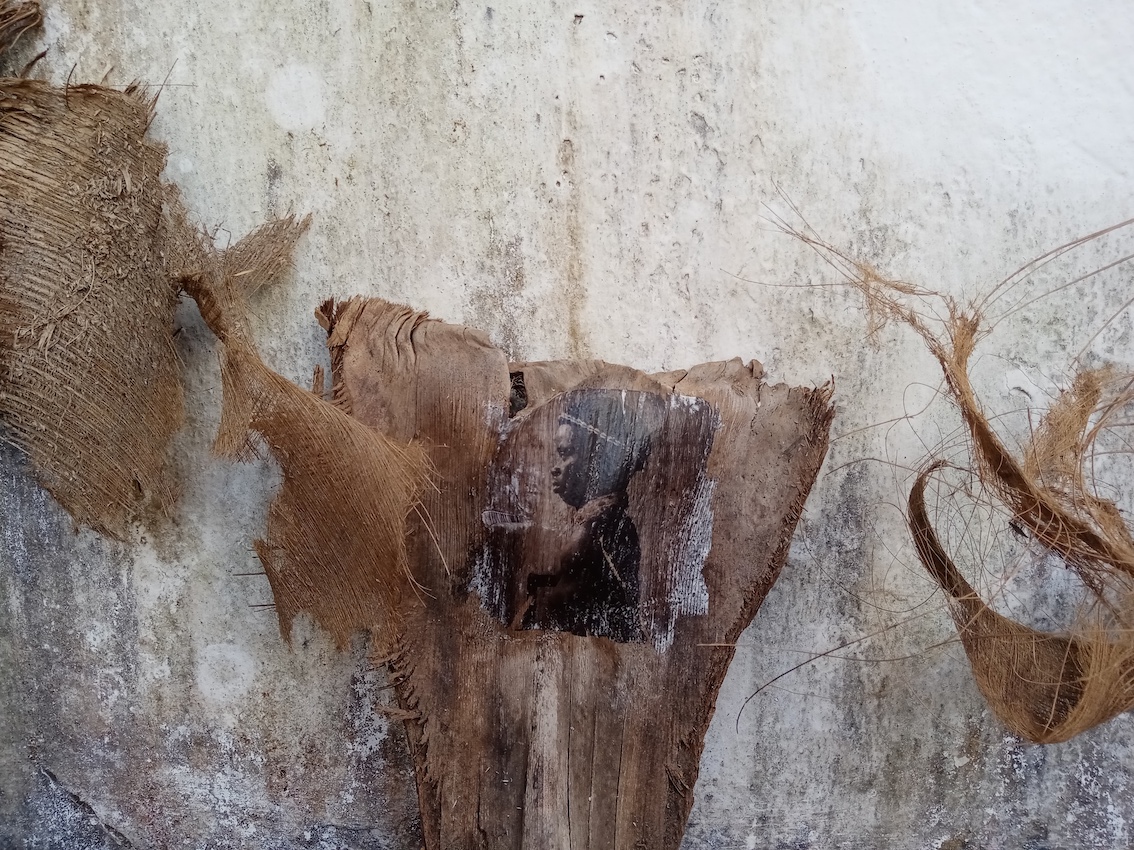
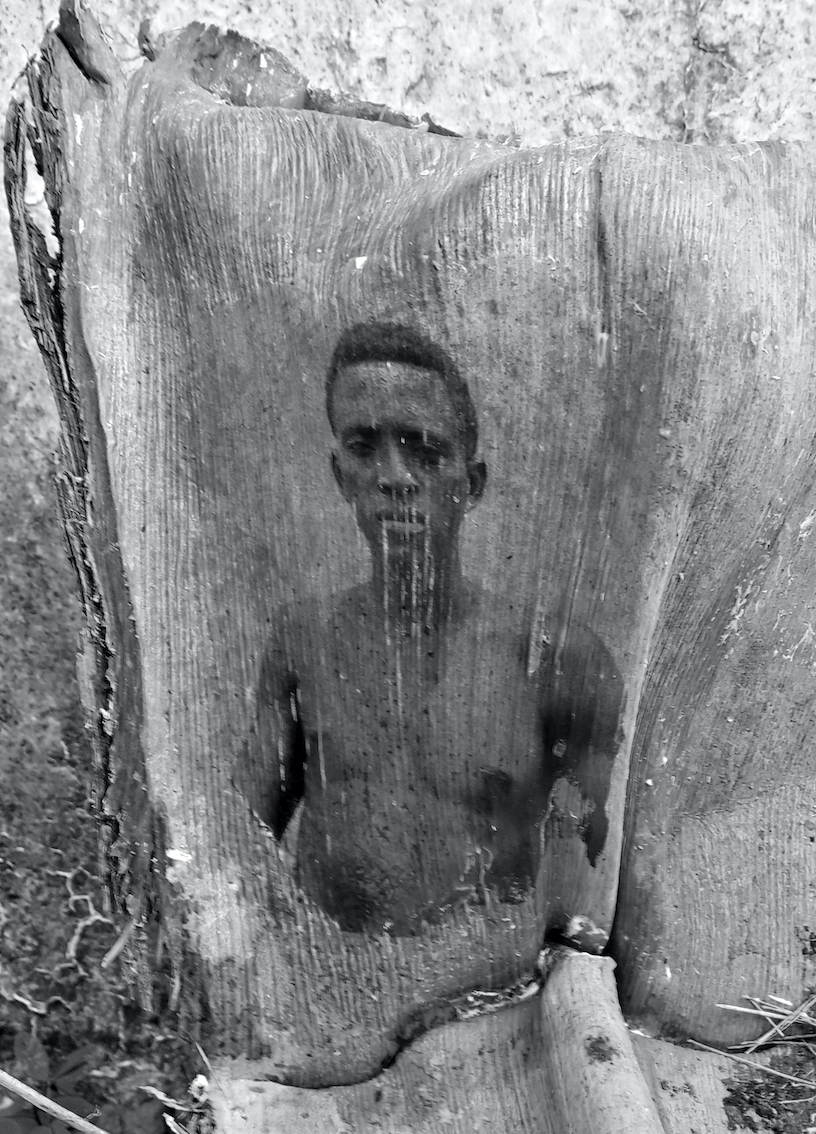
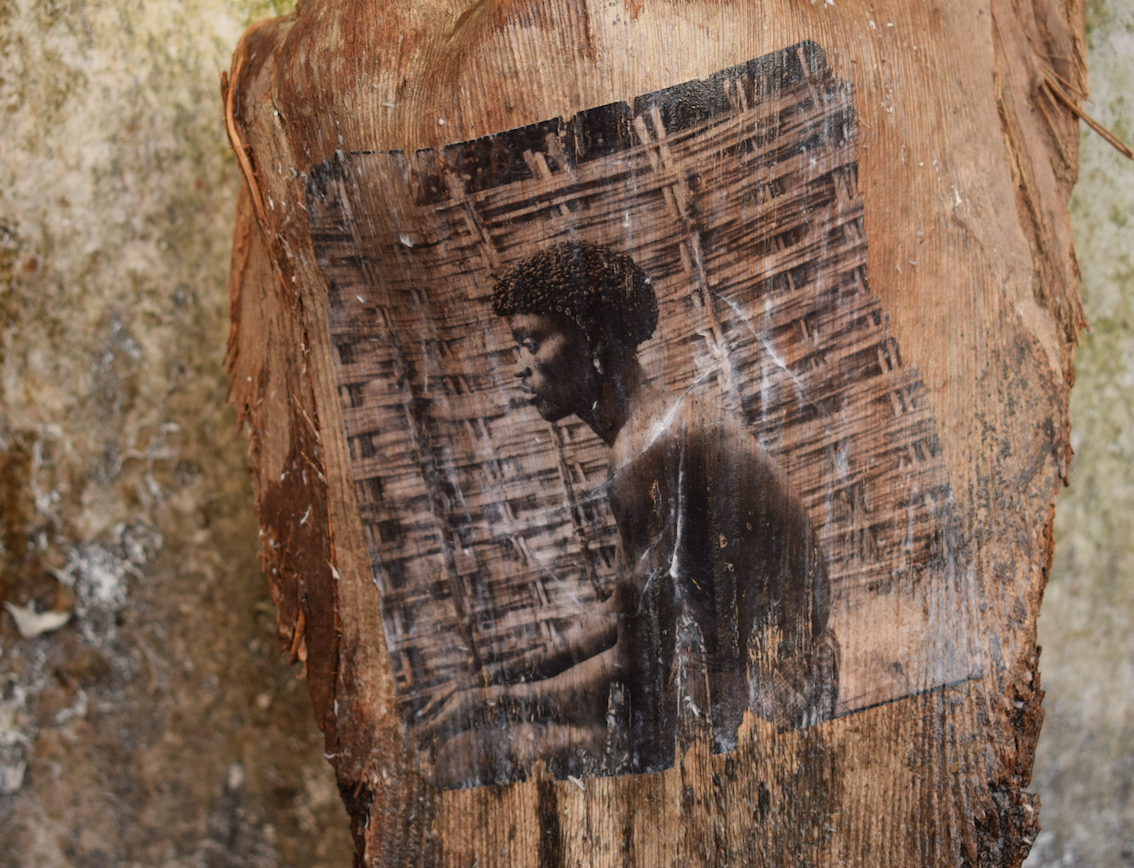
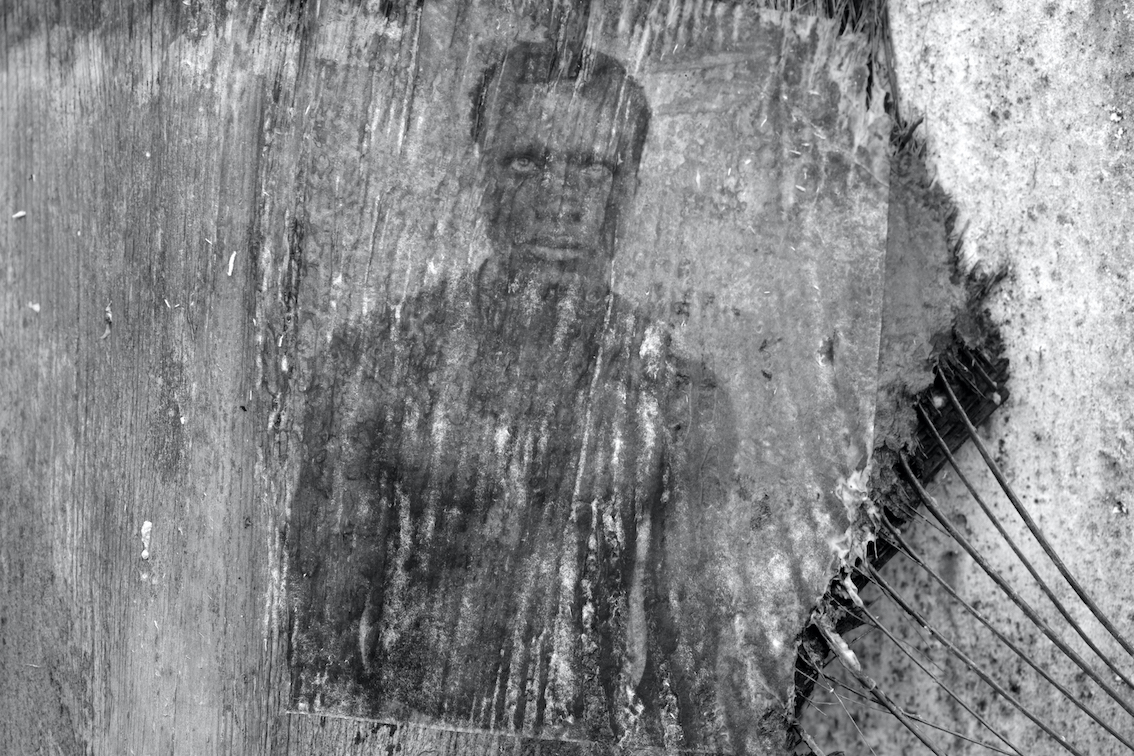
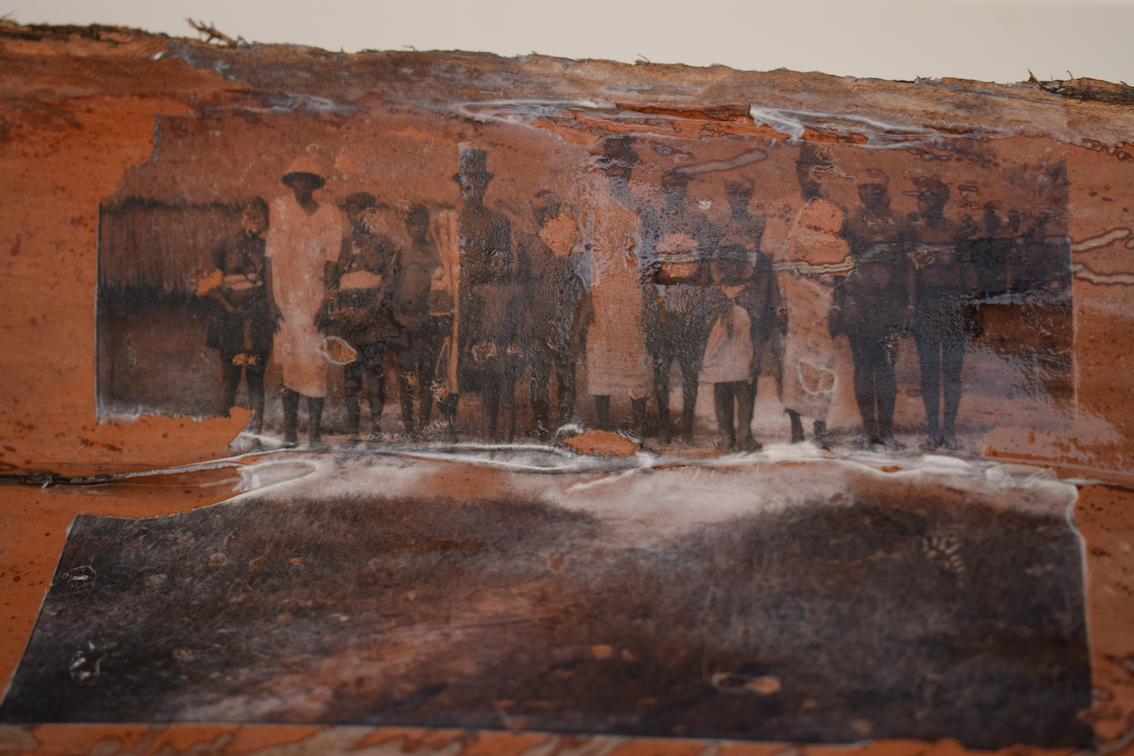
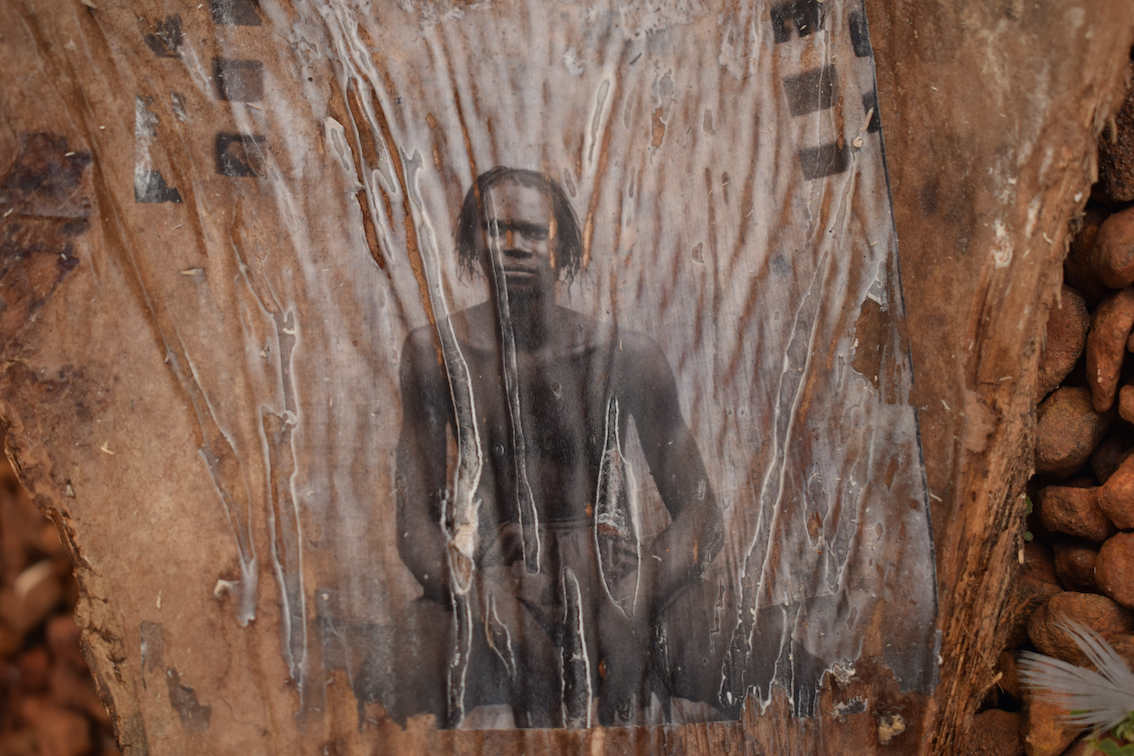
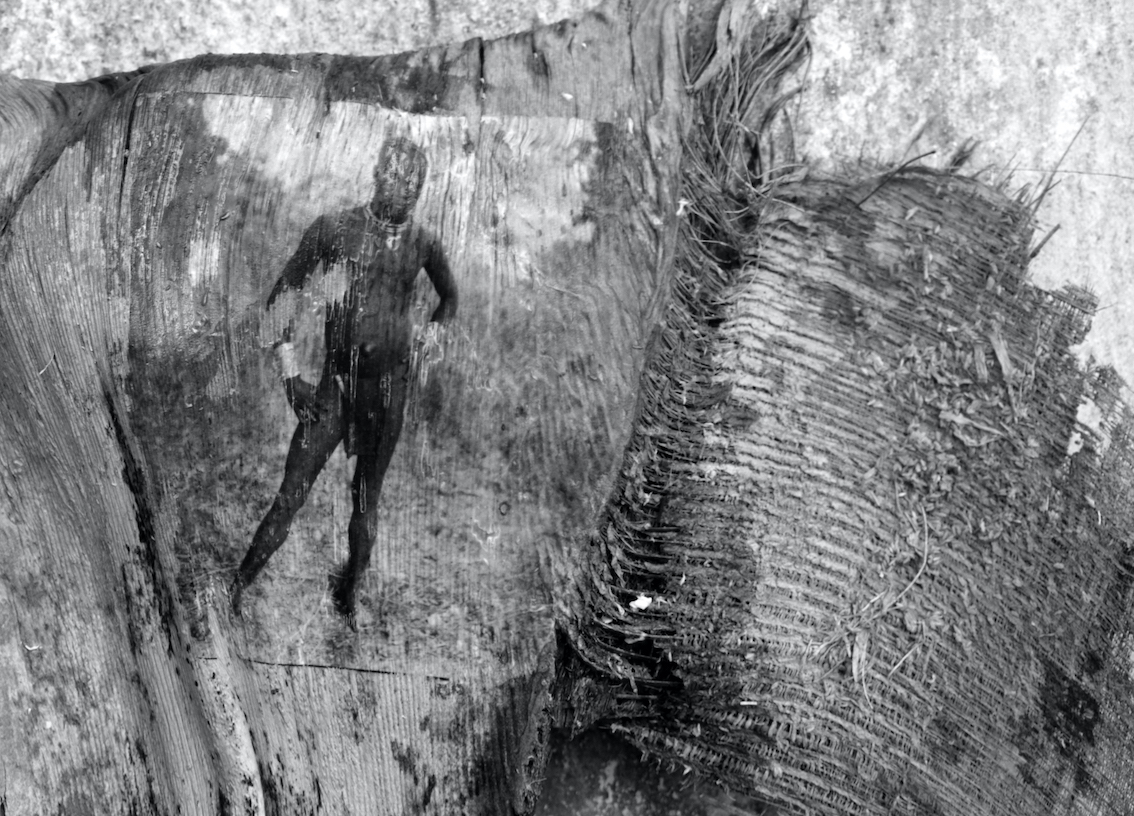
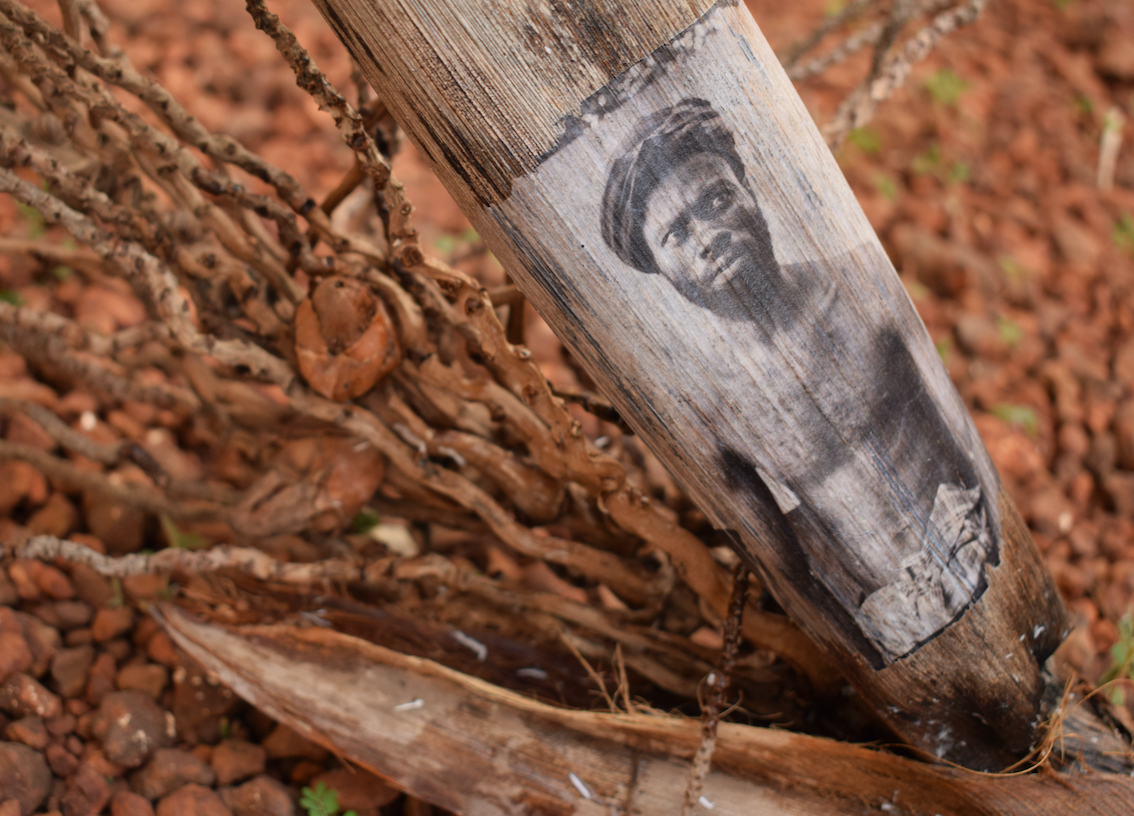
Com o objetivo de perceber se uma narrativa participativa poderá contribuir para uma divulgação ética do arquivo colonial, estas fotografias, impressas e digitalizadas, voltaram ao seu local de origem em dezembro de 2021. O símbolo fotográfico foi devolvido ao seu contexto original, num ato gratuito de apropriação pela terra do corpo fotografado, possível pela (re)apropriação da fotografia. Os retratos fazem parte da coleção fotográfica da Missão Antropológica e Etnográfica na Guiné-Bissau 1946-47, pertencente ao período colonial português, chefiada por Amílcar Mateus, objeto de investigação no âmbito da minha tese de Doutoramento, integrado no projeto “O Impulso Fotográfico: Medindo as Colónias e os Corpos Colonizados. O Arquivo Fotográfico e Fílmico das Missões Portuguesas de Geografia e Antropologia.”
Trabalho desenvolvido no Memorial da Escravatura e do Tráfico Negreiro, Cacheu, Guiné-Bissau
ULisboa/IICT
Este trabalho beneficiou do uso da infraestrutura PRISC (Portuguese Research Infrastructure of Scientific Collections)
O ICNOVA é financiado por fundos nacionais através da FCT – Fundação para a Ciência e a Tecnologia, I.P., no âmbito do projeto UID/5021/2025
ENG.
“(…) we therefore commit this body to the ground, earth to earth, ashes to ashes, dust to dust;”
With the aim of understanding whether a participatory narrative could contribute to an ethical dissemination of the colonial archive, these photographs, printed and digitized, returned to their place of origin in December 2021. The photographic symbol was returned to its original context, in a gratuitous act of appropriation by the land of the photographed body, made possible by the (re)appropriation of the photograph. The portraits are part of the photographic collection of the Anthropological and Ethnographic Mission in Guinea-Bissau 1946-47, belonging to the Portuguese colonial period, headed by Amílcar Mateus, the subject of research within the scope of my doctoral thesis, integrated into the project “The Photographic Impulse: Measuring the Colonies and the Colonized Bodies. The Photographic and Film Archive of the Portuguese Missions of Geography and Anthropology.”
Work developed at the Memorial of Slavery and the Slave Trade, Cacheu, Guinea-Bissau
ULisboa/IICT
PRISC (Portuguese Research Infrastructure of Scientific Collections)
ICNOVA is funded by national funds through the FCT – Fundação para a Ciência e a Tecnologia, I.P., in the scope of the project UID/5021/2025