
Residência Artística – Galeria de Arte Banco de Portugal
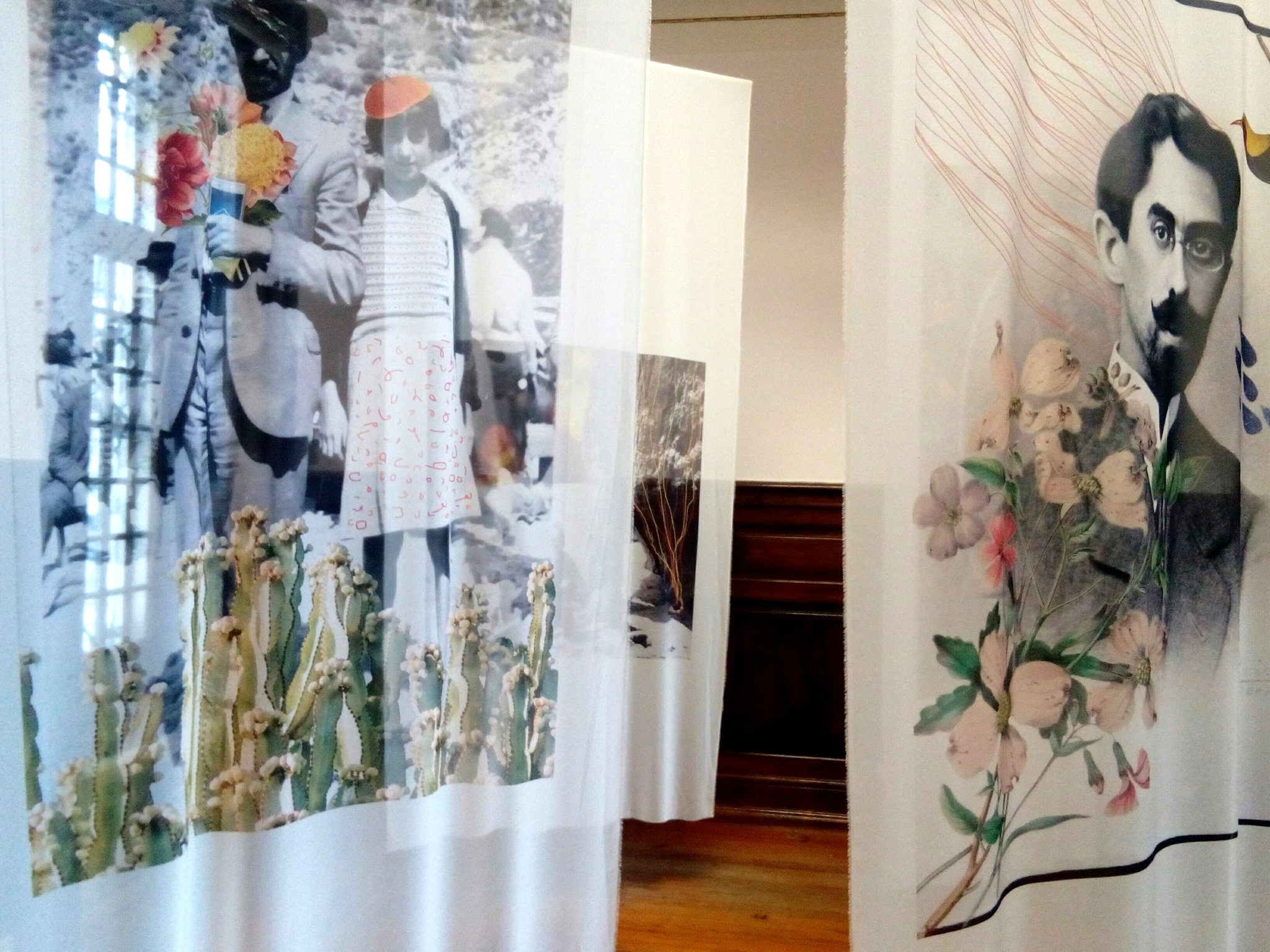
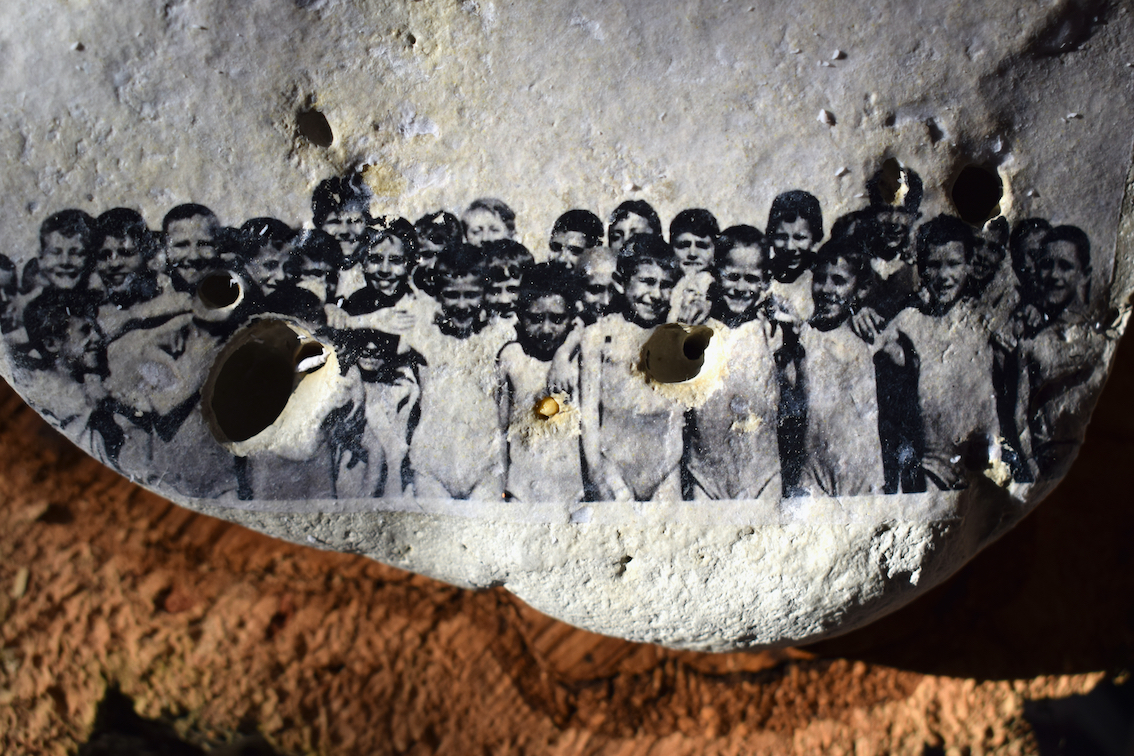
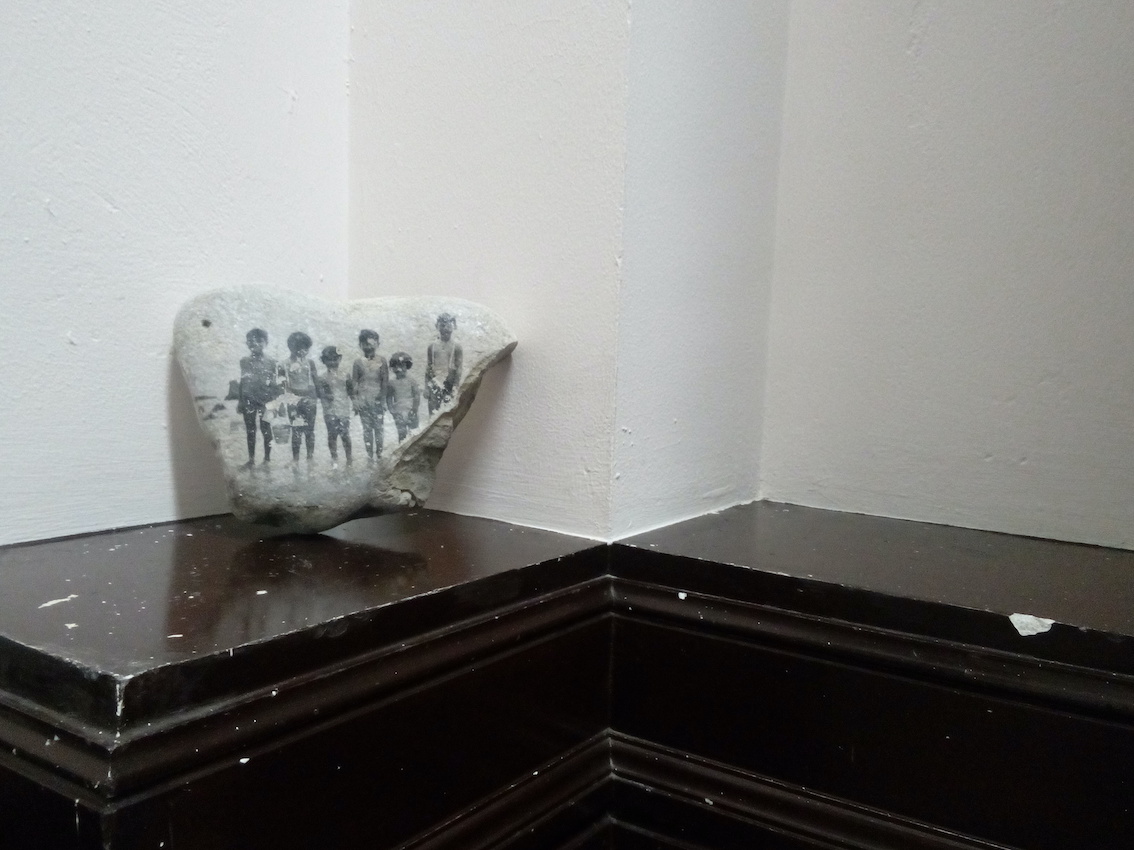
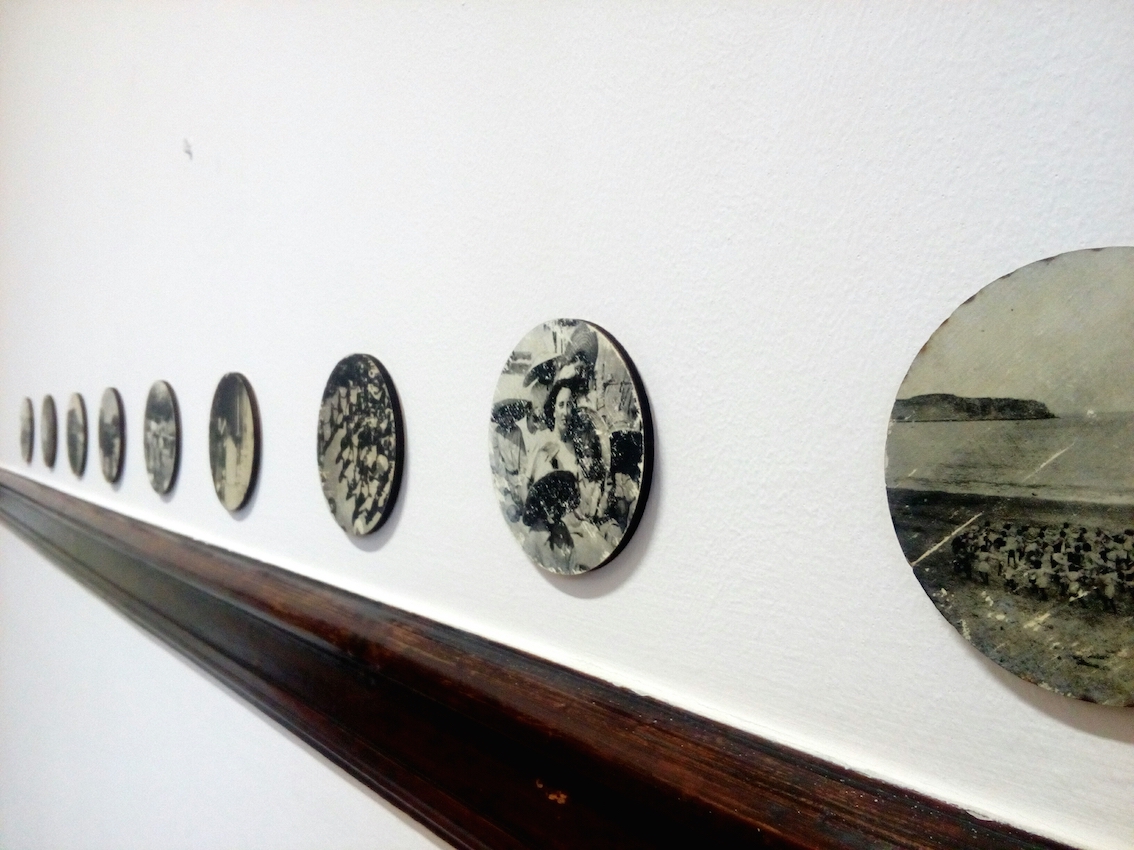
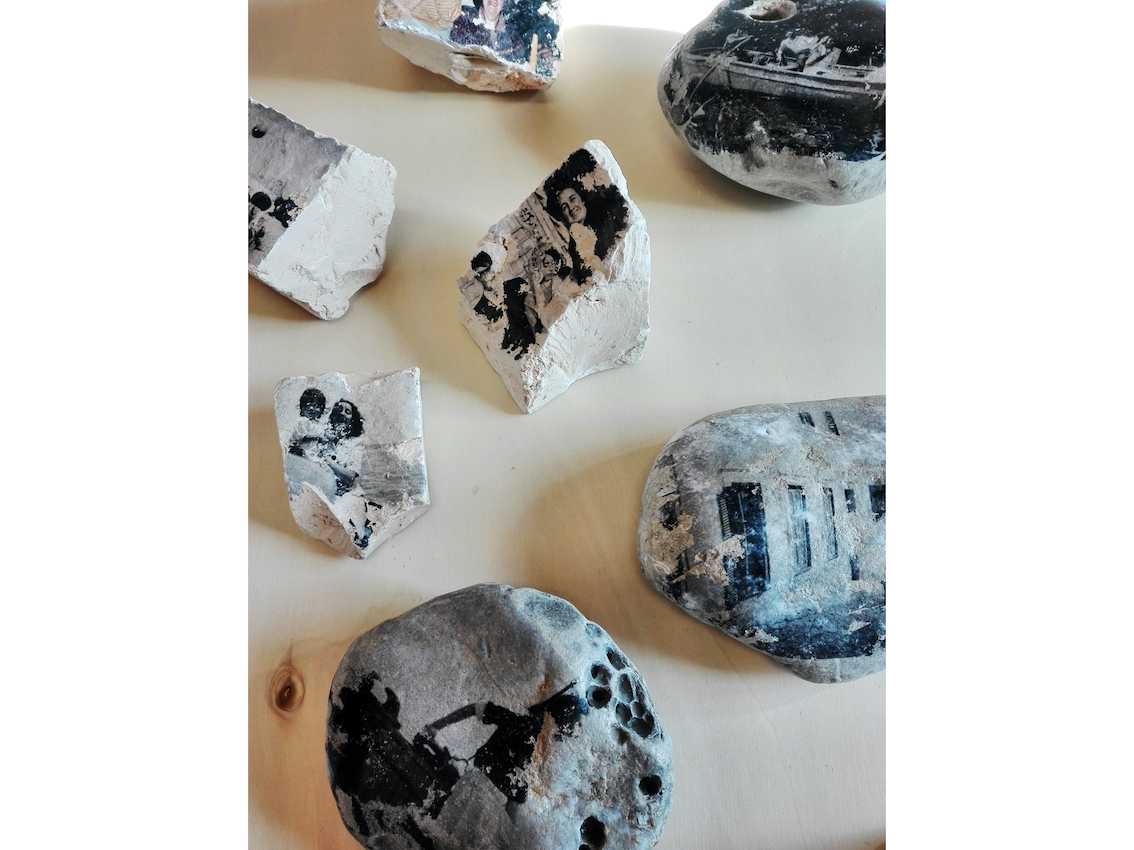
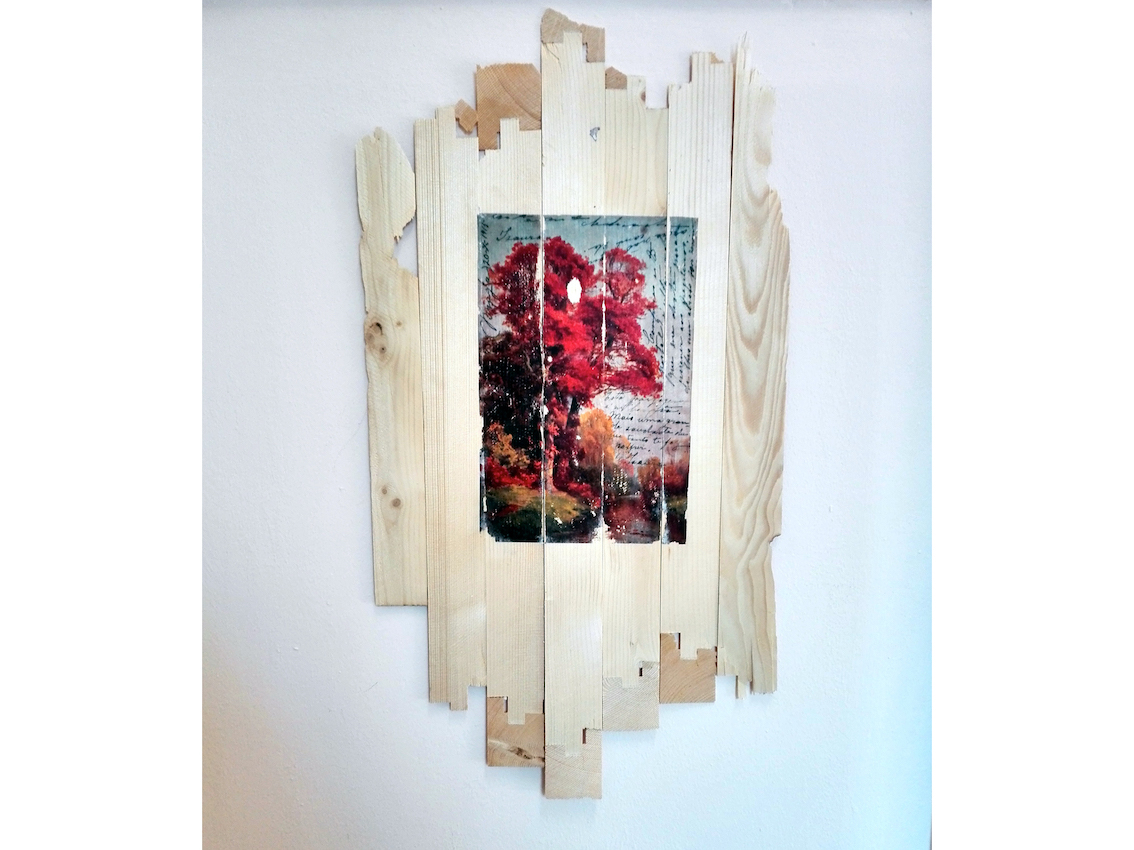
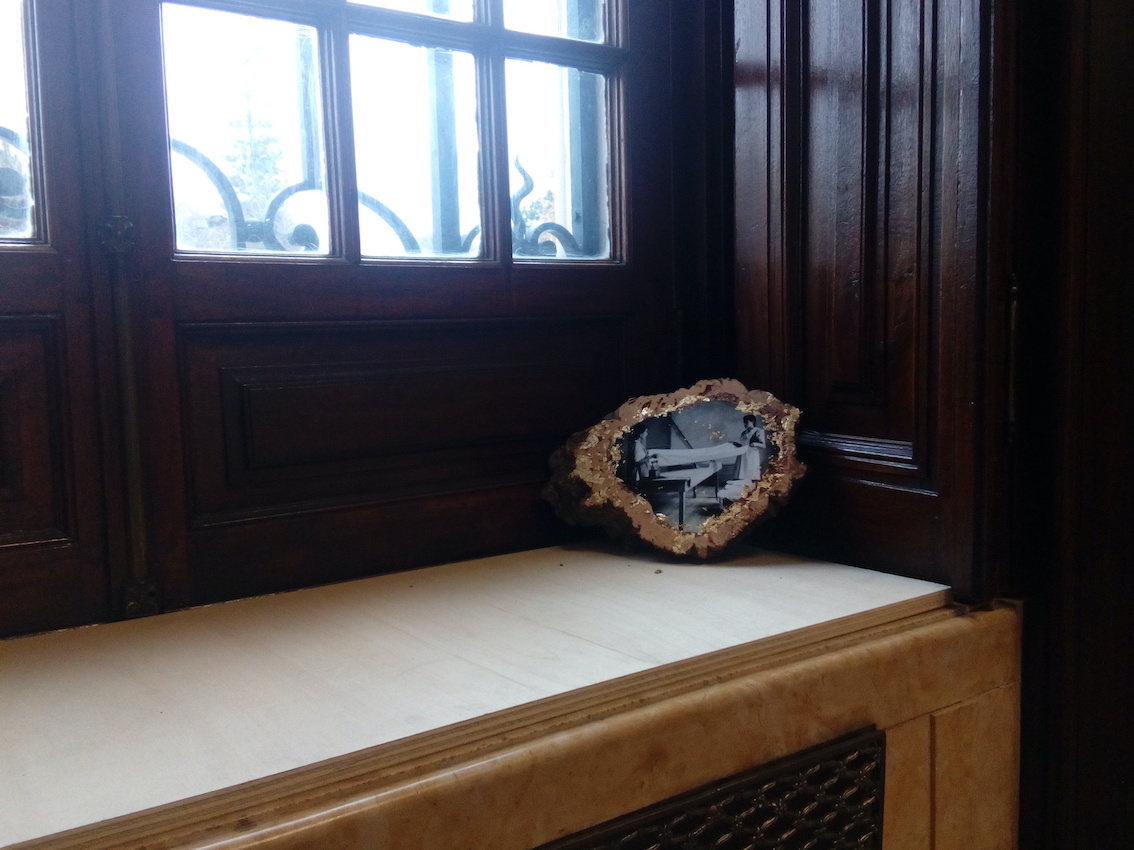
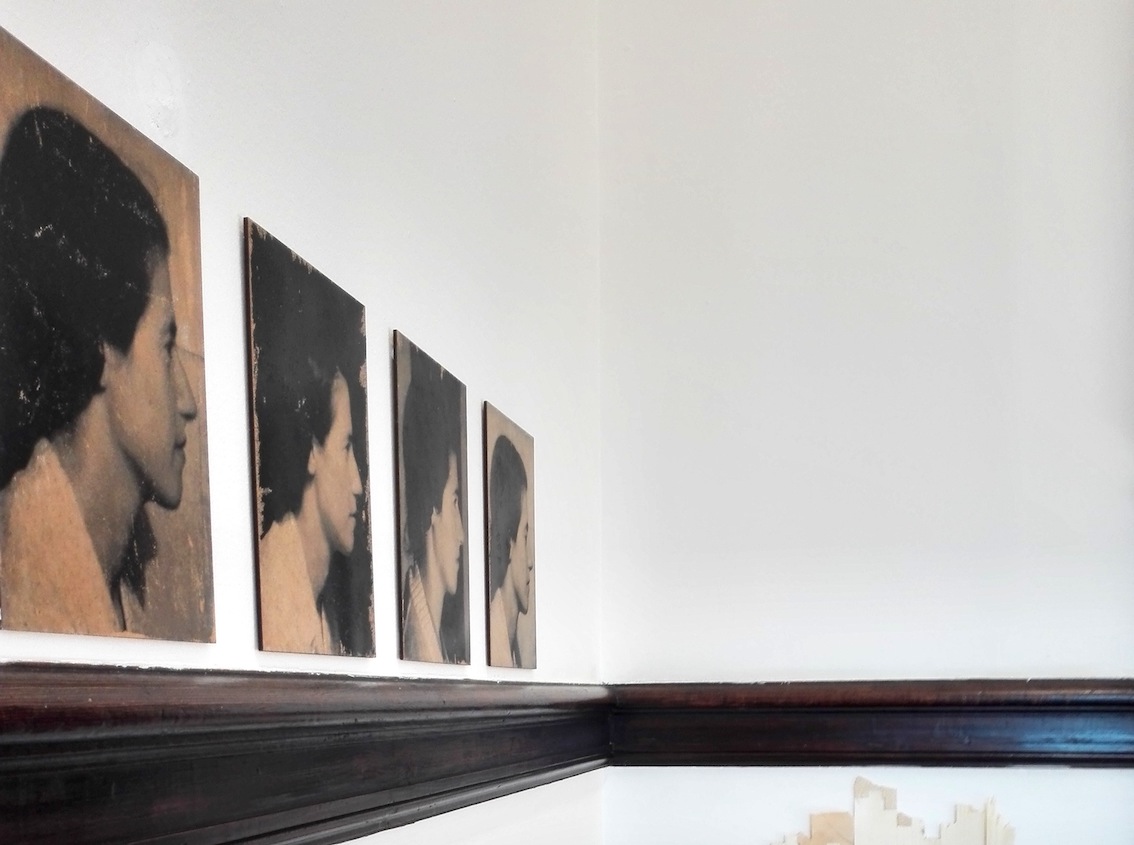
Roland Barthes (1915-1980) foi um crítico literário, teórico, filósofo, linguista e semiólogo. No seu livro “A Câmara Clara” (1980), escrito no período de luto da morte da sua mãe, Barthes formula uma reflexão que viria a reunir, num único texto, todos os temas que o rondavam e o feriam — fotografia, lembrança e morte. Na sua análise, a determinada instância, surge o Punctum: “O punctum de uma fotografia é esse acaso que, nela, me punge (mas também me mortifica, me fere). (…) como um quadro vivo, a figuração da face imóvel e pintada sob o qual vemos os mortos. Fotografam-se coisas pra expulsá-las do espírito. As minhas histórias são uma maneira de fechar os olhos, (…) deixar o detalhe remontar sozinho à consciência afetiva.” (Barthes, 1980) Nesta residência artística é trabalhada a produção de sentido da imagem fotográfica na sua desconstrução enquanto documento de memória afetiva. Questiona-se aqui se o significado do conteúdo afetivo e documental, da imagem em si, poderá passar a ser apenas detentor de um valor estético e imaginativo. O retrato deixa de ser retrato? Pela sua desconstrução e reinterpretação imagética resultará apenas numa experiência estética, sem a sua carga afetiva original? O processo de desconstrução e construção das imagens foi realizado a partir do álbum fotográfico de família de Narciso Costa, doadas pela filha de Narciso, Manuela Costa, ao m|i|mo – museu da imagem em movimento. Tentei perceber se esta questão da vida e morte, patente em fotografias de 1910-20 da minha família portuguesa, e que, desde a minha infância, me criaram alguma angústia e sensação de nostalgia de certo modo dolorosa, seria apaziguada pela transformação das imagens, pelo processo de alteração, quer da própria imagem, quer do meio de impressão manual em suportes não convencionais. Descobri que, para mim, não se retirou qualquer carga afetiva transparente nestas memórias fotográficas. Pelo contrário, interiorizei também essa dimensão afetiva: aquelas pessoas passaram também a fazer um pouco parte de mim. Mas, surpreendentemente, apaziguaram-me. Primeiro porque fui testemunha de vidas que, pelo que percecionei, foram felizes. Depois, porque percebei que as nossas vidas são uma construção de redes. A partir da pessoa de Narciso Costa, tive uma ligação, ainda que visual, de muitas outras vidas a que a ele se uniram, direta ou indiretamente. Esta rede torna-se imortal. O nosso contacto com outros, fugaz ou mais permanente, torna-nos imortais, na medida em que a existência de cada um de nós está e fica ligada às vidas de com quem temos contacto ao longo da vida, sob várias formas. Inclusive pelo facto de alguém, um dia, pegar nessas imagens, estudá-las, selecioná-las e expô-las num espaço público. Também assim as vidas das pessoas que fazem parte destas memórias fotográficas se imortalizam e continuam, possivelmente, a um remontar pessoal de uma consciência afetiva.
ENG.
Artistic Residency – Banco do Brasil Art Gallery
Roland Barthes (1915-1980) was a literary critic, theorist, philosopher, linguist, and semiotician. In his book “Camera Lucida” (1980), written during the period of mourning for his mother’s death, Barthes formulates a reflection that would bring together, in a single text, all the themes that haunted and wounded him—photography, memory, and death. In his analysis, at a certain point, the Punctum emerges: “The punctum of a photograph is that chance that, in it, stings me (but also mortifies me, wounds me). (…) like a living painting, the figuration of the immobile and painted face under which we see the dead. Things are photographed to expel them from the spirit. My stories are a way of closing my eyes, (…) letting the detail rise up on its own to affective consciousness.” (Barthes, 1980) This artistic residency explores the production of meaning in photographic images through their deconstruction as documents of affective memory. It questions whether the meaning of the affective and documentary content of the image itself can become solely an aesthetic and imaginative value. Does a portrait cease to be a portrait? Will its deconstruction and reinterpretation result only in an aesthetic experience, devoid of its original affective charge? The process of deconstruction and construction of the images was carried out using the family photo album of Narciso Costa, donated by Narciso’s daughter, Manuela Costa, to m|i|mo – museum of the moving image. I tried to understand if this question of life and death, evident in photographs from 1910-20 of my Portuguese family, and which, since my childhood, has created some anguish and a somewhat painful sense of nostalgia, would be appeased by the transformation of the images, by the process of alteration, whether of the image itself or of the means of manual printing on unconventional supports. I discovered that, for me, no transparent emotional charge was removed from these photographic memories. On the contrary, I also internalized this affective dimension: those people also became a part of me. But, surprisingly, they soothed me. First, because I witnessed lives that, from what I perceived, were happy. Then, because I realized that our lives are a construction of networks. From the person of Narciso Costa, I had a connection, albeit visual, to many other lives that were joined to him, directly or indirectly. This network becomes immortal. Our contact with others, fleeting or more permanent, makes us immortal, insofar as the existence of each of us is and remains linked to the lives of those with whom we have contact throughout life, in various ways. Including the fact that someone, one day, takes these images, studies them, selects them, and exhibits them in a public space. In this way, the lives of the people who are part of these photographic memories are also immortalized and continue, possibly, to a personal reconstruction of an affective consciousness.